Decarbonization is no longer optional: it has become a strategic priority for every organization under regulatory, economic and societal pressure. Yet a large share of emissions and energy consumption plays out at the level of technical equipment — HVAC, production, lighting, motors. Maintenance, and more specifically the CMMS, thus becomes a powerful lever to drive energy efficiency. Here's how.
Why maintenance is a decarbonization lever
Poorly maintained equipment consumes more: clogged filters, drifting settings, leaks and worn parts increase both the energy bill and emissions. Conversely, a well-maintained fleet runs at its optimal efficiency point. Maintenance therefore has a direct — and often underestimated — impact on the carbon footprint.
This logic echoes what we describe in our article on CMMS and sustainable development: optimizing how maintenance is organized also means reducing wasted resources and extending the life of assets.
Measure to reduce: data at the heart of efficiency
You can only manage well what you measure. A modern CMMS centralizes consumption readings, meters and sensor data for each piece of equipment. It lets you:
- track how consumption evolves over time and per site;
- detect abnormal drifts and trigger an intervention before they worsen;
- compare equipment to target the most energy-hungry items;
- document the gains achieved after a corrective action.
This visibility turns intuitions into well-founded decisions: you know where to act first and you measure the return on each action.
Preventive maintenance and energy efficiency
Preventive maintenance is efficiency's best ally. By keeping equipment within its optimal operating range, it avoids the overconsumption caused by wear and misadjustment. Cleaning heat exchangers, replacing filters, checking settings: all of these tasks, when scheduled in the CMMS, preserve energy performance.
It also extends equipment life, which reduces the emissions tied to manufacturing and replacement — an often overlooked part of the carbon assessment.
Renewable energy: assets that need maintaining too
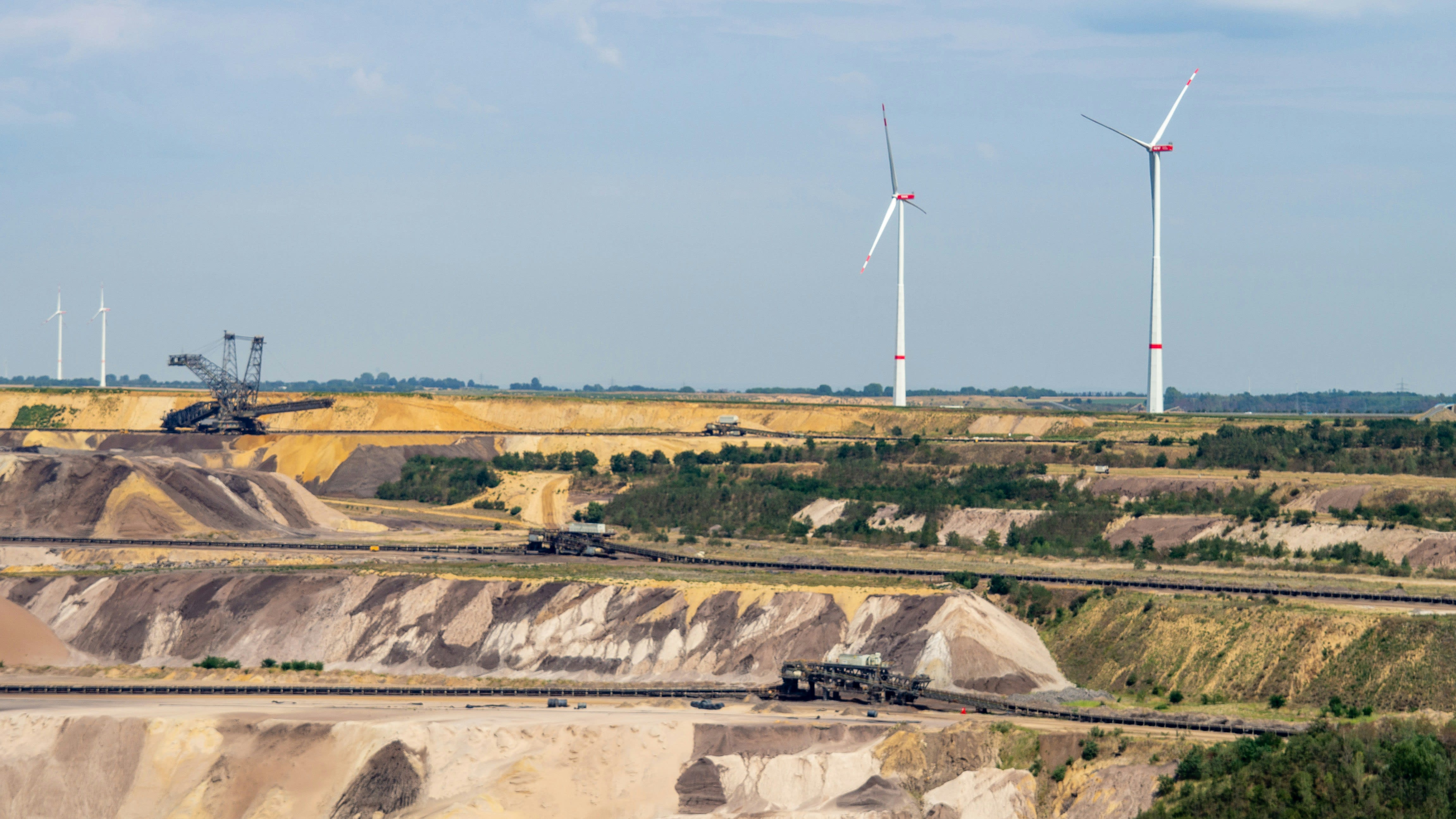
The transition relies on the massive deployment of renewable energy, which itself consists of equipment fleets to maintain. Solar panel maintenance directly determines their output: a soiled panel or a faulty inverter means clean energy lost. The same applies to wind turbine maintenance, whose availability depends on rigorous monitoring of mechanical and electrical components.
A CMMS lets you manage these distributed, often remote fleets with scheduled interventions and full traceability — an essential condition to maximize their contribution to decarbonization.
Take action with Yuman
Reducing the carbon footprint of your equipment starts with a structured, well-equipped maintenance organization. With Yuman, you centralize your fleet, schedule your preventive work, track your consumption and quantify your progress through clear indicators.
Want to make your maintenance a driver of energy efficiency? Discover Yuman and request a demo: we help you turn your field data into concrete decarbonization actions.